Korba festivals

tribal festivals of the birhor tribe
Korba festivals

Tribal Festivals of the Birhor Tribe

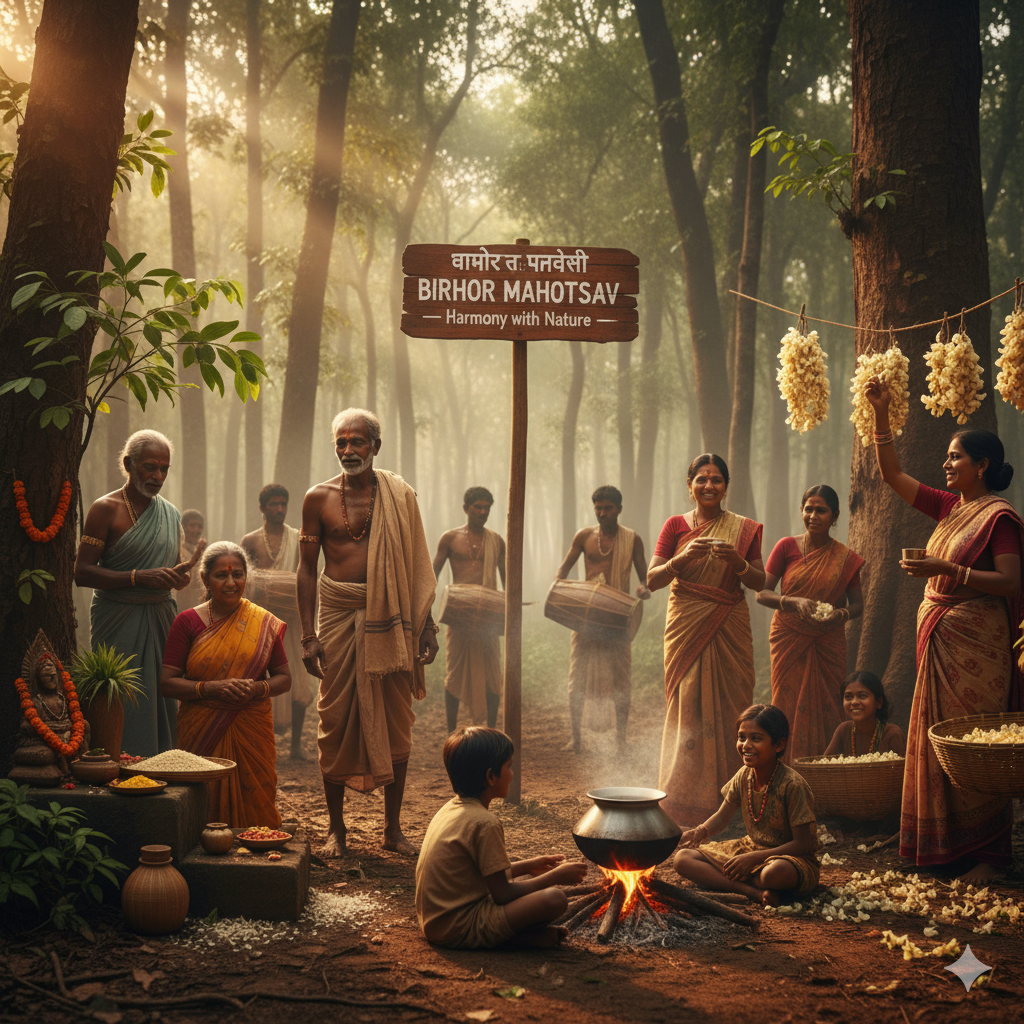
Tribal Festivals of the Birhor Tribe are deeply rooted in nature, forest life, and seasonal cycles. The Birhor tribe, found mainly in regions of Jharkhand, Chhattisgarh, and nearby areas, celebrate festivals like Poos, Navakhai (new crop), and Moha, which reflect their close relationship with the environment. 🌾 Poos Festival Celebrated during the month of Pausha (winter season). Marks a time of rest and enjoyment after agricultural or forest-based work. Families gather, prepare traditional food, and offer prayers for well-being and protection. 🌱 Navakhai (New Crop Festival) One of the most important festivals for the Birhor people. Celebrates the first harvest of new crops. The newly harvested grains are first offered to deities before being consumed. Symbolizes gratitude to nature for providing food and sustenance. 🌸 Moha Festival Linked to the blooming of the Mahua (Moha) flowers, which are very important in tribal life. Mahua flowers are used for food, traditional drinks, and livelihood. The festival celebrates nature’s gifts and seasonal change, with rituals and community gatherings.   🎶 Cultural Importance These festivals highlight the Birhor tribe’s dependence on forests and natural resources. Music, dance, and storytelling play a key role in celebrations. They preserve ancient traditions, beliefs, and community bonding. 🌿 Overall Essence The festivals of the Birhor tribe are a reflection of simplicity, gratitude, and harmony with nature, where every celebration honors the environment and strengthens social unity within the community.
karma
Korba festivals

Karma (Karam Festival)

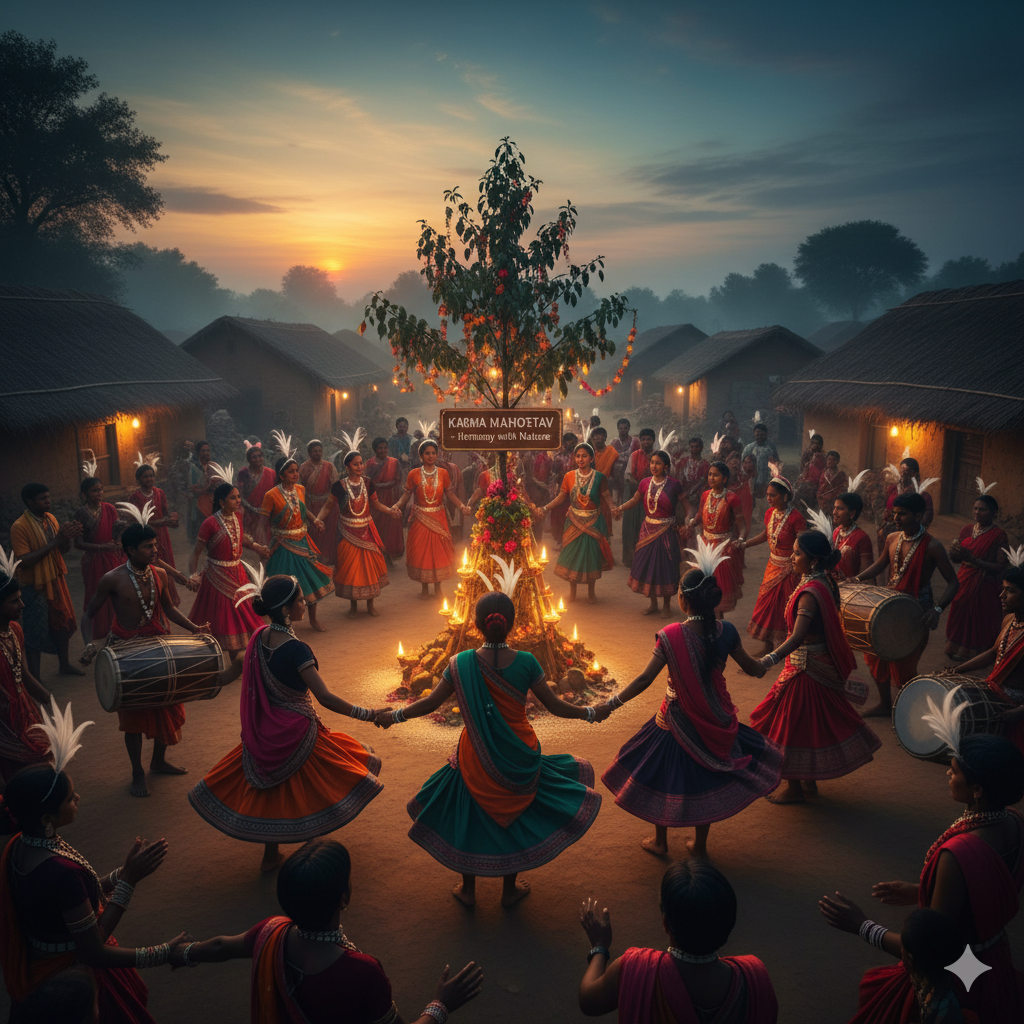
Karma (Karam Festival) is a vibrant tribal festival celebrated by various indigenous communities in states like Chhattisgarh, Jharkhand, Odisha, and Madhya Pradesh. It is especially known for its energetic dance, music, and deep connection with nature. 🌿 Meaning and Significance The festival is dedicated to the Karam tree (Karma tree), which symbolizes prosperity, fertility, and good fortune. It is celebrated to seek blessings for a good harvest, happiness, and community well-being. The word “Karma” here is linked to nature and destiny, reflecting harmony between humans and the environment. 🎶 Rituals and Celebrations Karam Tree Worship: A branch of the Karam tree is brought to the village and worshipped with offerings like grains, milk, and flowers. Karma Dance: Men and women form circles and perform rhythmic dances to the beats of traditional drums, singing folk songs throughout the night. Fasting and Prayers: Young girls often observe fasts for family prosperity and good fortune. Community Gathering: The entire village participates, creating a lively and colorful atmosphere. 💃 Cultural Importance Karma is a symbol of tribal identity and cultural heritage. It strengthens unity, cooperation, and social bonding among community members. The festival preserves traditional music, dance, and customs passed down through generations. 🌾 Overall Essence Karma is a joyful celebration of nature, culture, and togetherness, where dance and devotion come together to honor life, fertility, and the rhythms of the natural world.  

dev uthani
Korba festivals

Dev Uthani (Dev Uthani Ekadashi)

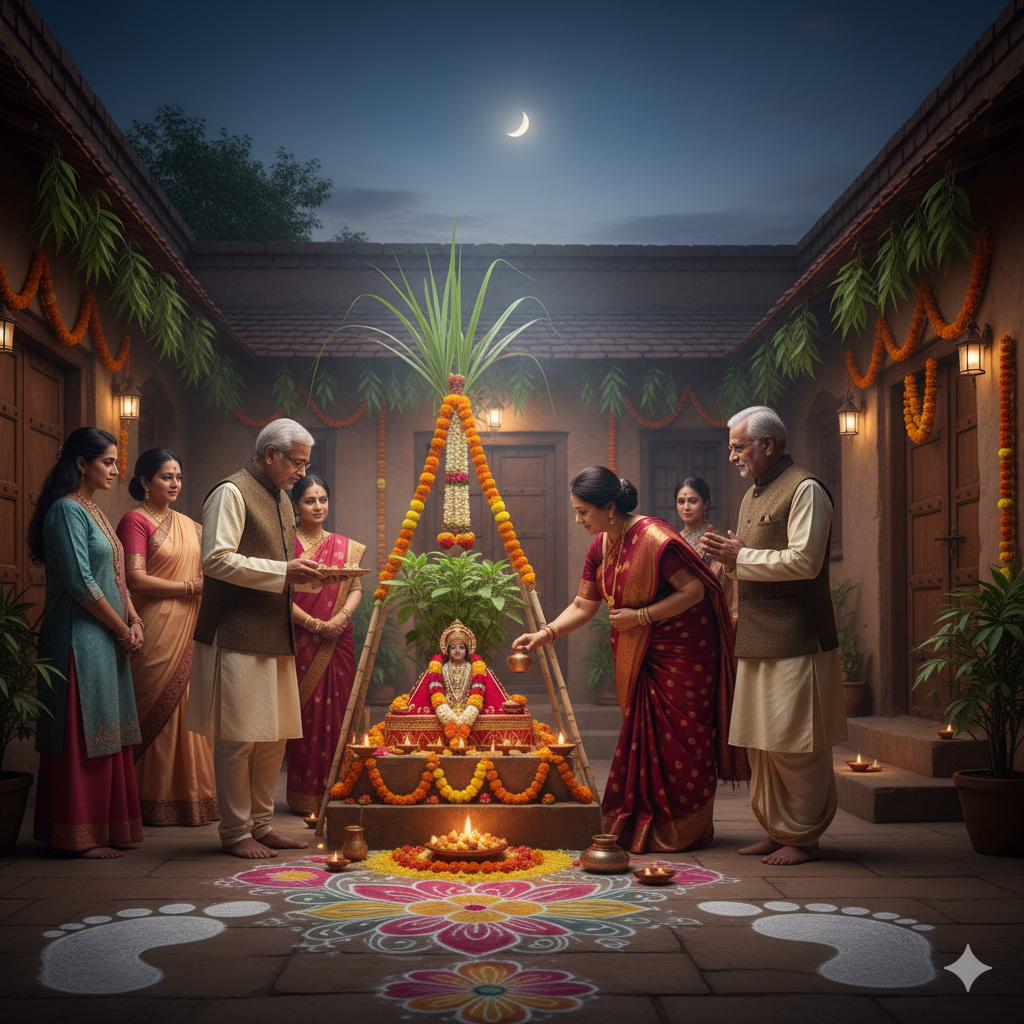
Dev Uthani (Dev Uthani Ekadashi), also known as Prabodhini Ekadashi, is a significant Hindu festival dedicated to the awakening of Lord Vishnu from his four-month cosmic sleep (Chaturmas). It marks the resumption of all auspicious activities, especially weddings. 🌙 Meaning and Significance During Chaturmas, it is believed that Lord Vishnu rests, and no major ceremonies are performed. On Dev Uthani Ekadashi, he “awakens,” bringing back prosperity, positivity, and शुभ (auspiciousness). This day signals the beginning of the Hindu marriage season. 🌸 Rituals and Traditions Tulsi Vivah: A symbolic wedding ceremony between the Tulsi plant (holy basil) and Lord Vishnu (often represented as Shaligram). Decorations: Homes are decorated with rangoli, lamps (diyas), and sugarcane sticks. Fasting and Prayers: Devotees observe a fast and offer prayers, seeking blessings for happiness and prosperity. Sacred Drawings: Footprints of Lord Vishnu are drawn at home entrances to welcome him. 💫 Cultural Importance Dev Uthani highlights the spiritual cycle of rest and renewal. It reinforces devotion and marks the time for new beginnings, especially marriages and ceremonies. Families come together to perform rituals and celebrate with joy. 🌼 Overall Essence Dev Uthani is a festival of awakening, renewal, and शुभारंभ (new beginnings), symbolizing the return of divine energy and the start of joyful occasions in life.

cherchera
Korba festivals

Cherchera (Chher Chhera)

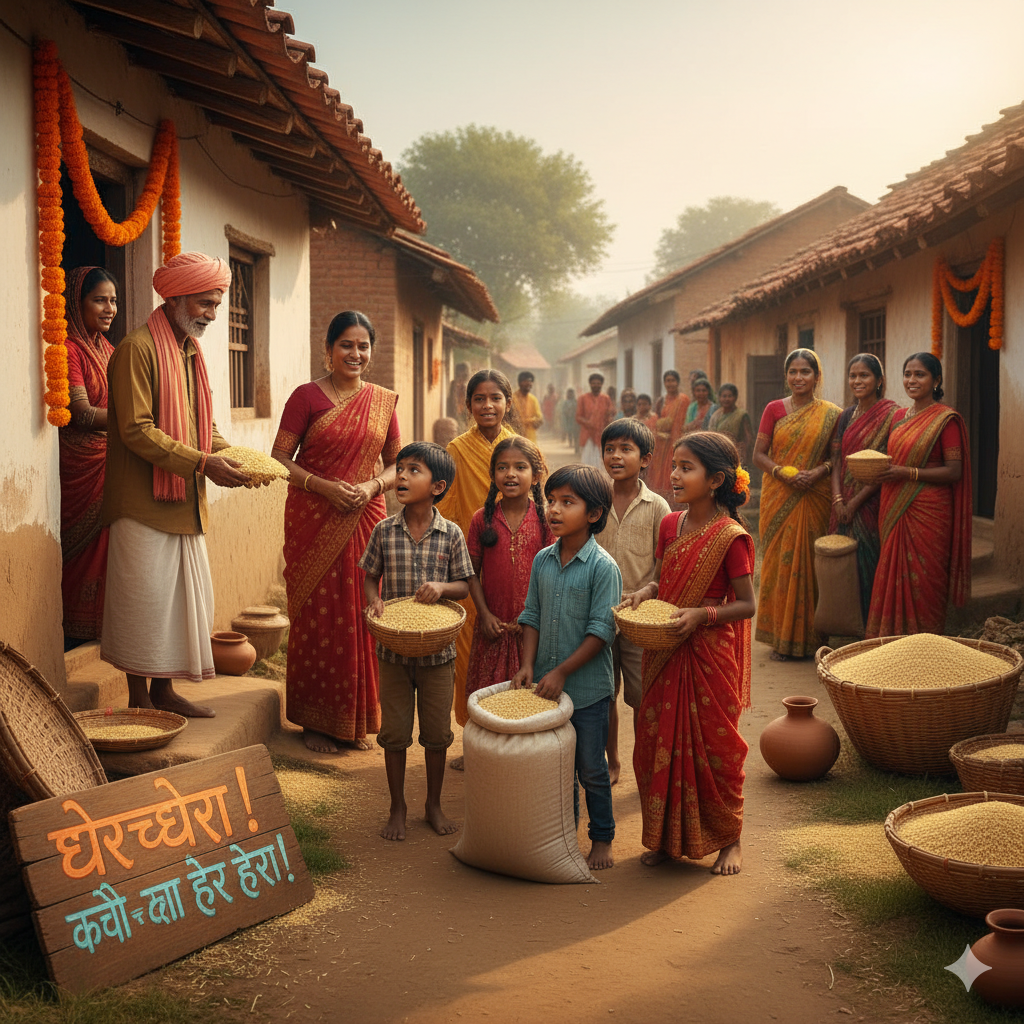
Cherchera (Chher Chhera) is a traditional post-harvest festival celebrated mainly in Chhattisgarh. It takes place on the full moon day (Purnima) of the month of Pus (December–January) and is known for its spirit of sharing and community bonding. 🌾 Meaning and Significance Cherchera marks the completion of the harvest season, when farmers gather their crops. It is a time of gratitude and joy, celebrating abundance and prosperity. The festival emphasizes charity and equality, ensuring that everyone in the community shares in the harvest. 🥣 Rituals and Traditions Community Sharing: Children and villagers go door-to-door singing traditional songs and asking for rice, grains, or food. People happily donate a portion of their harvest. Songs and Chants: The phrase “Cherchera! Kothi ke dhaan la her hera!” is commonly sung, symbolizing the call for sharing stored grains. Feasting Together: The collected food is later shared or used to prepare meals, promoting unity and togetherness. Celebration of Abundance: Homes are filled with newly harvested grains, reflecting prosperity. 🤝 Cultural Importance Cherchera strengthens the sense of community and generosity. It teaches the value of sharing wealth with others, especially those in need. The festival reflects a simple rural lifestyle rooted in cooperation and mutual support. 🌕 Overall Essence Cherchera is a beautiful celebration of harvest, kindness, and unity, where the joy of farming extends beyond fields into the hearts of the community through sharing and togetherness.

pola
Korba festivals

Pola

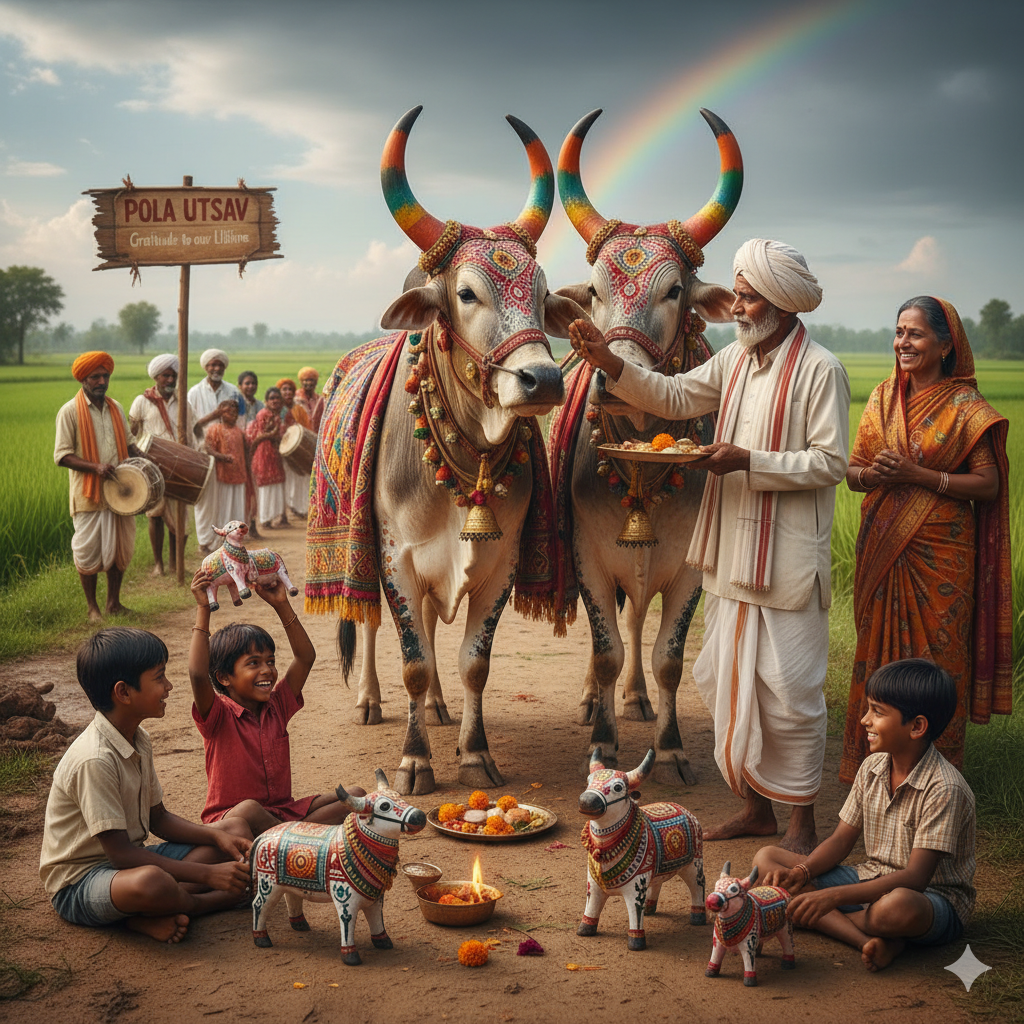
Pola is an important agricultural festival celebrated mainly in the states of Maharashtra and Chhattisgarh. It is dedicated to bullocks, which are considered vital for farming activities, especially ploughing the fields. 🐂 Meaning and Significance Pola is a festival to honor and thank bullocks for their hard work in agriculture. It is usually celebrated during the monsoon season, when farming activities are in full swing. The festival reflects the farmer’s gratitude toward animals that support their livelihood. 🌾 Rituals and Traditions Worship of Bullocks: Farmers bathe their bullocks, decorate them with colorful cloth, bells, and ornaments, and perform rituals to seek blessings. Clay Bullocks (for children): Children play with beautifully painted clay bullocks, symbolizing participation in farming traditions. Processions: Decorated bullocks are taken in village processions, creating a festive atmosphere. Rest for Animals: On this day, bullocks are given rest from work and are treated with special care and food. 🎉 Cultural Importance Pola highlights the deep bond between farmers and their cattle. It teaches respect for animals and acknowledges their role in sustaining agriculture. The festival brings communities together through celebrations, music, and traditional activities. 🌱 Overall Essence Pola is a heartfelt celebration of gratitude, tradition, and rural life, where farmers express respect for the animals that help cultivate the land and ensure a successful harvest.

hareli
Korba festivals

Hareli (Hariyali)

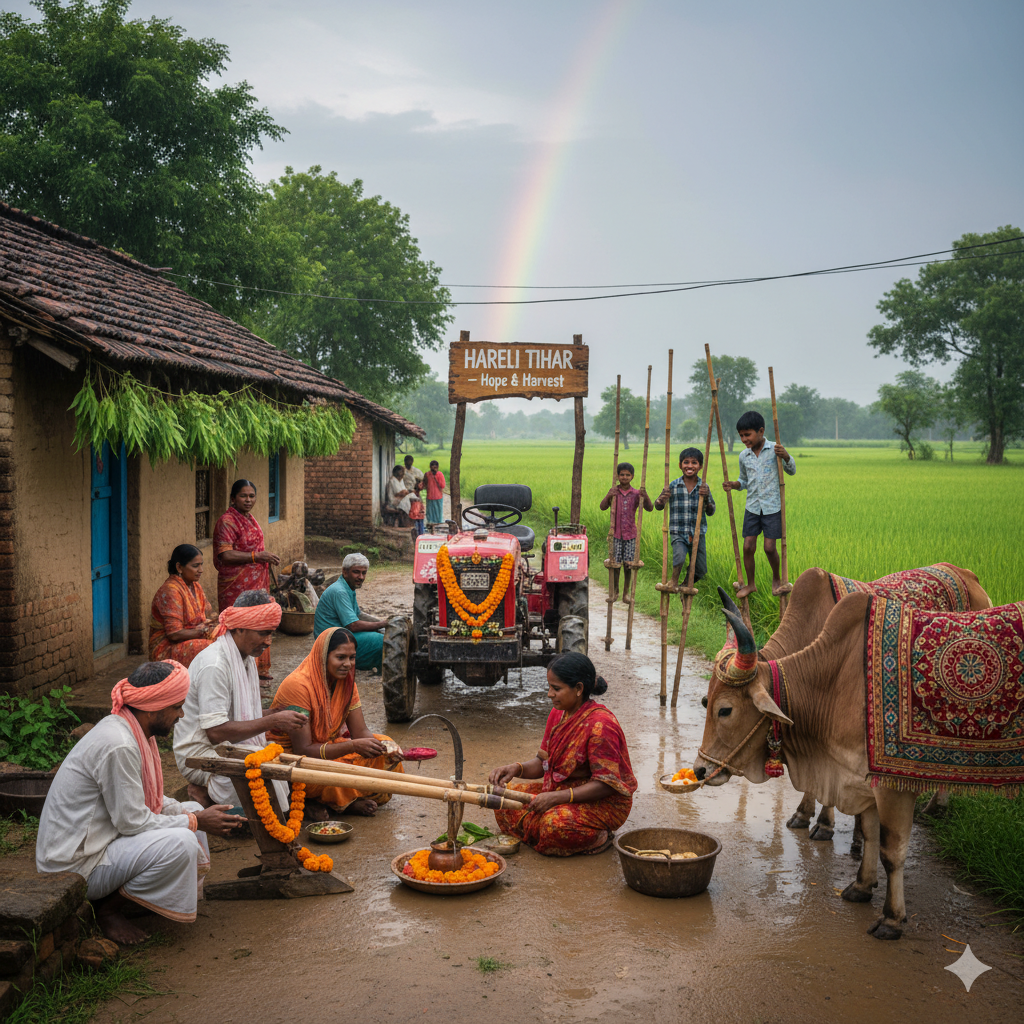
Hareli (Hariyali) is a traditional festival celebrated mainly in the state of Chhattisgarh, marking the arrival of the monsoon season and the beginning of agricultural activities. It is deeply connected to farming life and symbolizes greenery, prosperity, and good harvest. 🌿 Meaning and Significance The word Hareli comes from “Hariyali,” which means greenery. It is considered the first festival of the rainy season, when fields turn lush green. Farmers pray for fertile land, healthy crops, and protection from natural calamities. 🌾 Rituals and Traditions Worship of Tools: Farmers clean and worship their agricultural tools like ploughs, sickles, and tractors, treating them as sacred instruments of livelihood. Neem Leaves Decoration: People hang neem leaves on doors to ward off diseases and negative energies. Cattle Care: Bullocks and cows are bathed, decorated, and fed special food, as they play an important role in farming. Gedi Walking: Children and youth walk on bamboo stilts (called gedi), a fun and popular activity during Hareli. 🌱 Cultural Importance Hareli reflects the close bond between humans and nature. It promotes respect for agriculture, tools, and animals. The festival strengthens community ties as people celebrate together in villages. 🌧️ Overall Essence Hareli is not just a festival—it is a celebration of hope, renewal, and the agricultural cycle, welcoming the rains that bring life to the land.

Listigs
News
Home
Jobs
Contact