The Seasonal Identity of Korba
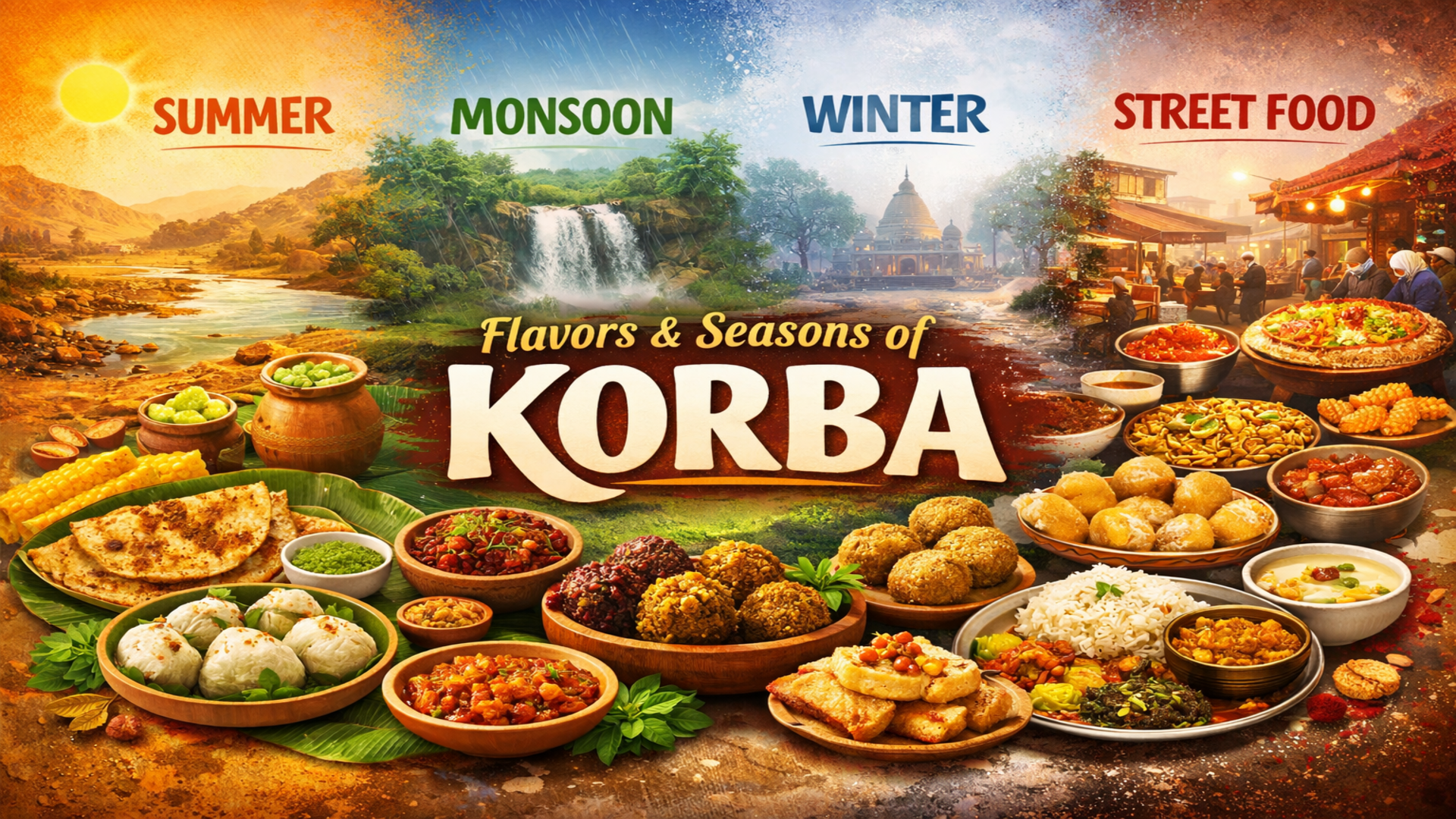
Korba, a prominent industrial town in Chhattisgarh, is not just known for its coal reserves and power plants, but also for its distinctive seasonal rhythm. The town experiences three major seasons—summer, monsoon, and winter—each shaping the environment, daily life, and cultural atmosphere in its own unique way. Here’s a more detailed look at how each season unfolds in Korba.
Korba’s seasons are more than just changes in weather—they define the town’s lifestyle, economy, and cultural rhythm. From the resilience required to endure the summer heat, to the rejuvenation brought by monsoon rains, and finally to the comfort and festivity of winter, each season adds a new dimension to life in Korba.
This seasonal diversity not only enhances the natural beauty of the region but also reflects the adaptability and spirit of its people, making Korba a place that evolves beautifully throughout the year.
Summer
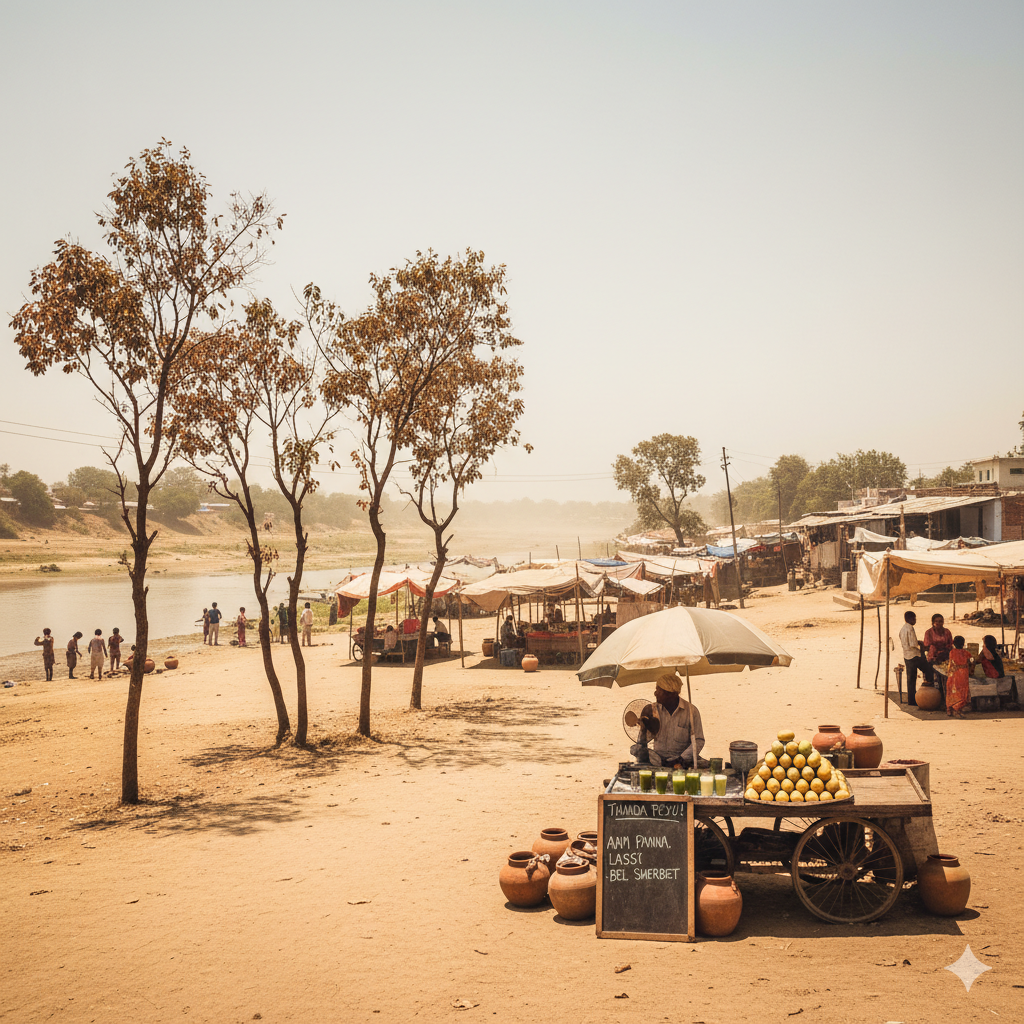
Summers in Korba are intense and demanding, with temperatures frequently soaring above 40°C. The dry heat dominates the region, and hot winds, locally known as loo, sweep across the town during peak afternoons. Daily life adapts to this climate—markets slow down in the daytime, and activities shift to early mornings or late evenings.
The natural landscape during summer takes on a rugged and sunburnt appearance. Forests surrounding Korba appear dry, with shades of brown and gold replacing the lush greens of other seasons. Water bodies like the Hasdeo River often experience reduced water levels, yet they remain vital sources of relief and livelihood.
Despite the harsh conditions, summer also brings a cultural flavor. Seasonal fruits like mangoes become widely available, and traditional cooling drinks such as aam panna, lassi, and bel sherbet are commonly consumed. For many locals, summer is also a time for school vacations and family gatherings.
Monsoon
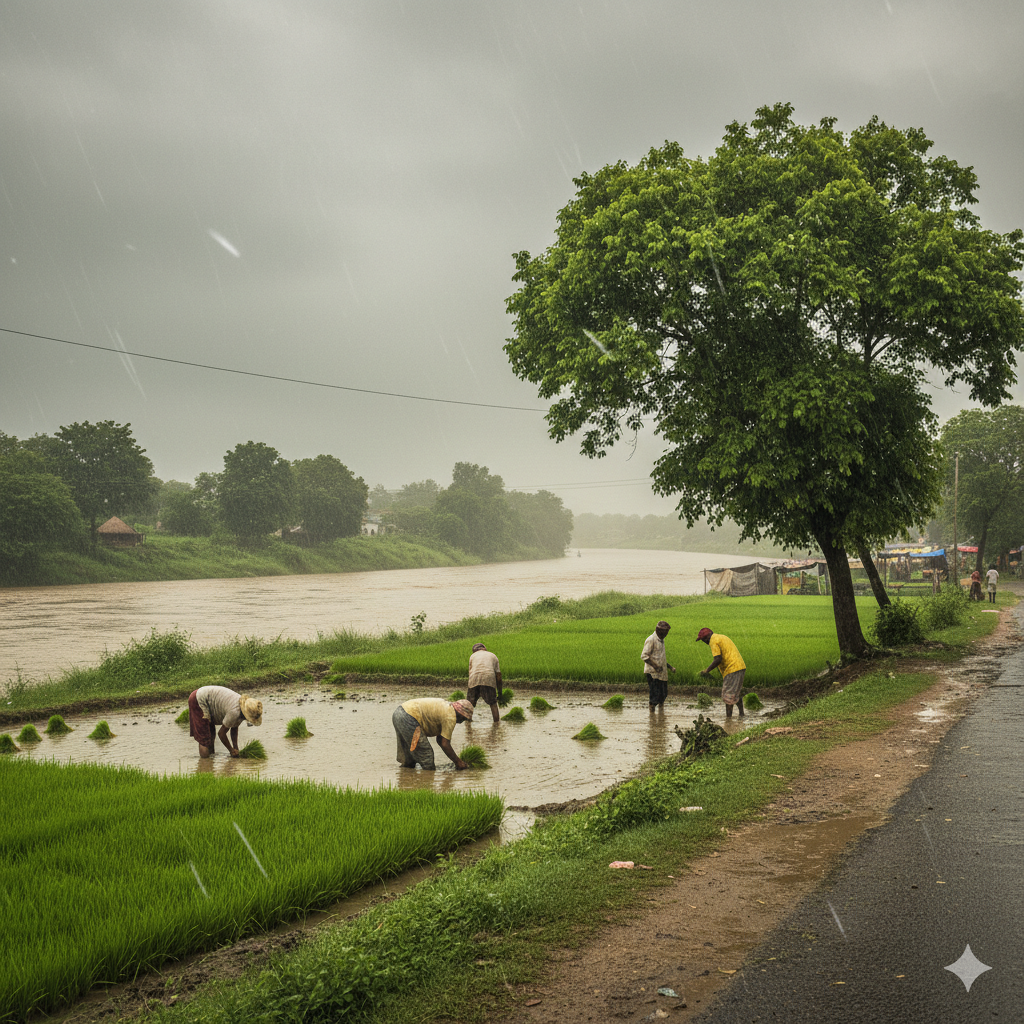
The arrival of the monsoon brings a dramatic transformation to Korba. After months of scorching heat, the first rains are welcomed with great enthusiasm. The temperature drops significantly, and the air becomes fresh and cool.
Korba’s surroundings burst into life during this season. The forests regain their lush green cover, fields become fertile, and rivers and streams—including those connected to the Hasdeo basin—flow vigorously. Waterfalls in nearby areas become popular attractions, drawing visitors who want to experience nature at its peak.
Agriculture plays an important role during this time, as farmers depend heavily on monsoon rains for cultivation. Crops such as rice are sown, and rural areas become vibrant with activity. However, heavy rainfall can occasionally lead to waterlogging and disruptions in transportation.
The monsoon season also enhances the scenic beauty of Korba, making it an ideal time for nature photography and peaceful retreats, though travelers often need to plan around unpredictable weather.
Winter
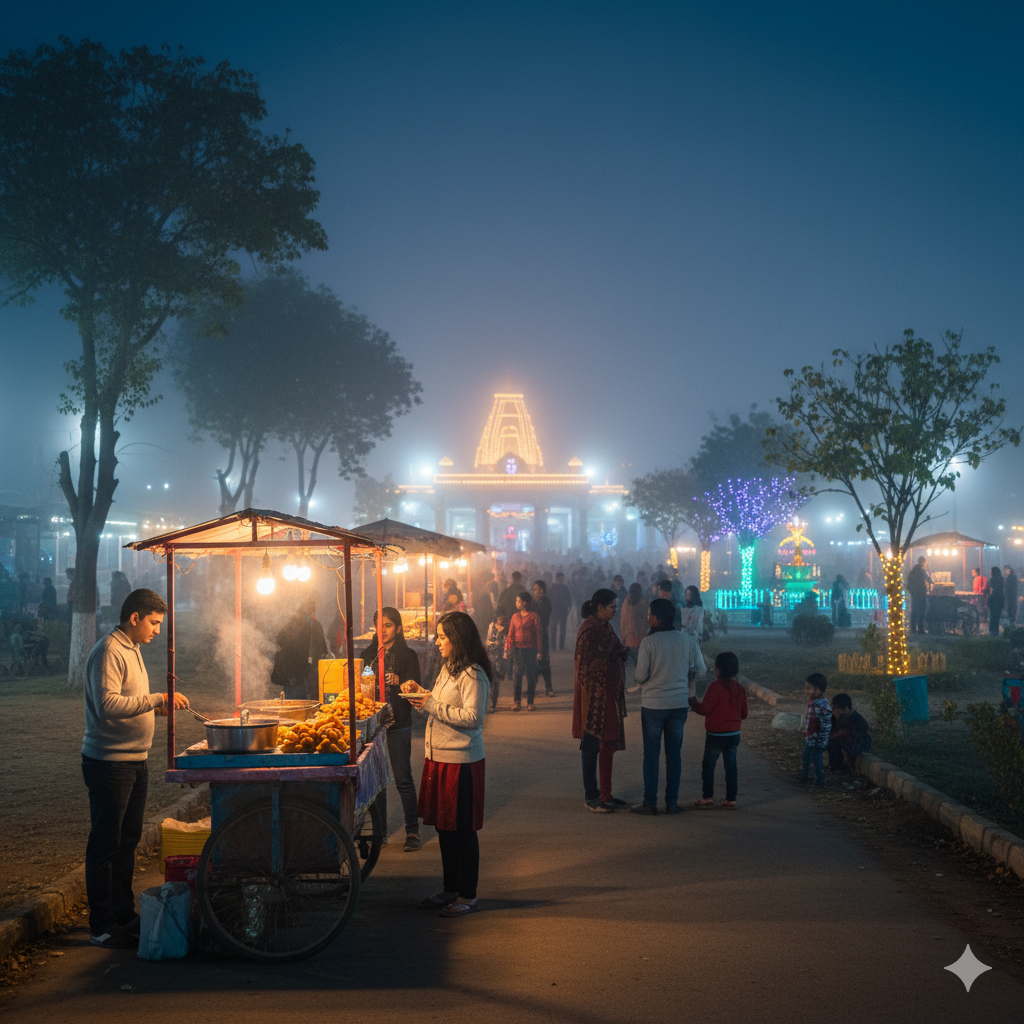
Winter is undoubtedly the most comfortable and enjoyable season in Korba. With temperatures ranging between 10°C and 25°C, the weather remains cool without being too cold. The mornings often begin with a gentle mist or fog, creating a calm and picturesque environment.
This season encourages outdoor activities and social interactions. People spend more time visiting parks, temples, and nearby attractions. It is also a favorable time for tourism, as the climate allows for easy exploration without the discomfort of heat or heavy rain.
Culturally, winter is vibrant in Korba. Festivals, fairs, and community gatherings are more frequent, bringing people together in celebration. The pleasant evenings often see families enjoying local markets and street food.
The natural surroundings during winter maintain a balanced beauty—neither too dry nor excessively lush—making it a perfect blend of comfort and scenic charm.
Taste of Korba

Korba, nestled in Chhattisgarh, offers a delightful culinary experience that reflects the traditions of central India along with influences from nearby regions. The food culture here is simple, earthy, and deeply rooted in local ingredients like rice, lentils, forest produce, and seasonal vegetables. From traditional tribal dishes to popular street foods, Korba has something for every food lover.
The food of Korba is a perfect blend of tradition, simplicity, and local flavors. From tribal specialties and homemade meals to street food delights and festive sweets, the town offers a diverse culinary experience.
What makes Korba’s cuisine truly special is its connection to nature and culture—where every dish tells a story of local ingredients, age-old recipes, and the vibrant lifestyle of its people.
Korba is known for its authentic Chhattisgarhi cuisine, which is both nutritious and flavorful.
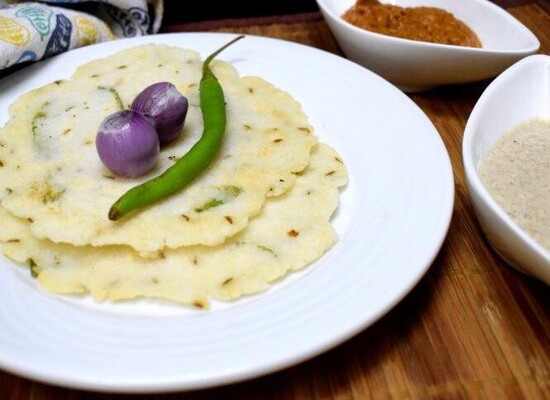
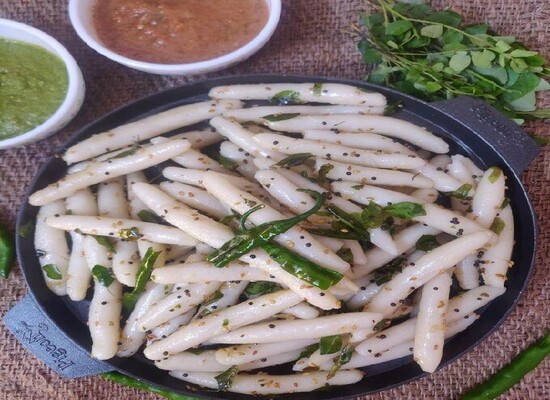
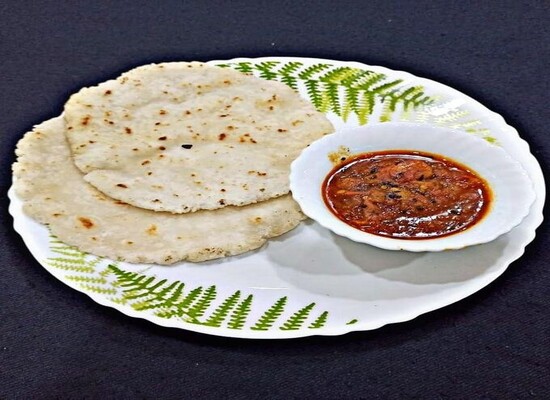
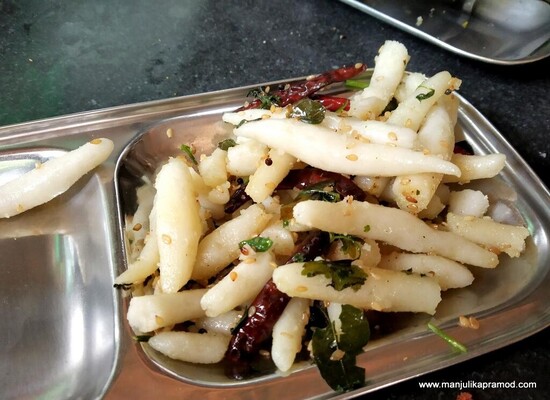
One of the most loved dishes is Chila, a savory pancake made from rice batter or gram flour, often served with chutney. It is a staple breakfast item in many households. Another traditional favorite is Faraa, a steamed dumpling made from rice flour, sometimes tempered with spices for added flavor—light, healthy, and uniquely local.
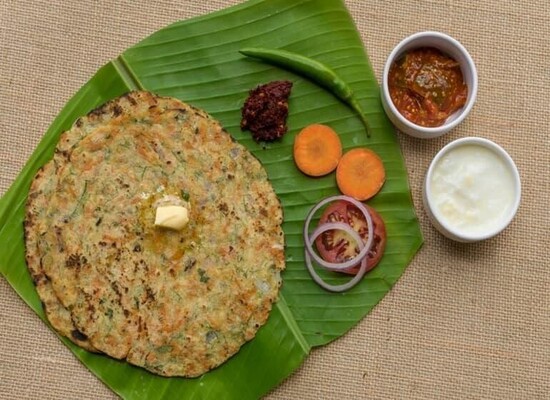
Angakar Roti, a thick wheat or rice-based bread cooked over firewood, represents the rustic cooking style of the region. It is typically enjoyed with spicy chutneys or lentil preparations. Muthia, another steamed snack, is prepared using rice flour and local spices, offering a soft and mildly spiced taste.
These dishes highlight the region’s preference for steamed and minimally oily food, making them both delicious and wholesome.

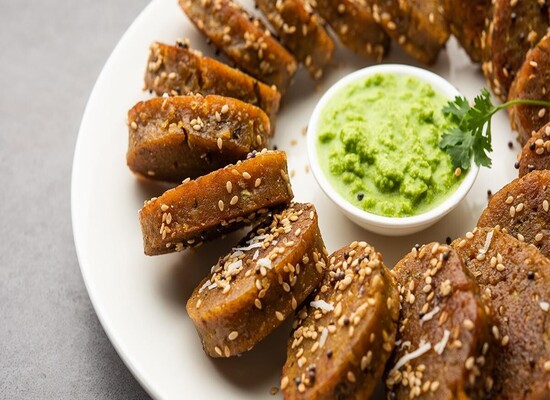
Korba’s food culture is deeply influenced by tribal traditions and forest-based ingredients. Unique items like Mahua-based sweets are prepared using the flowers of the mahua tree, offering a naturally sweet and aromatic flavor.
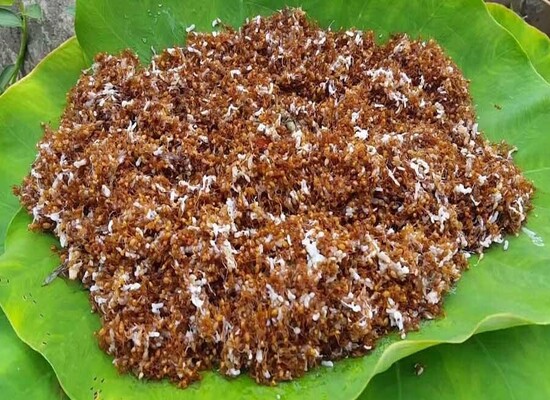
A distinctive tribal delicacy is Chaprah (Red Ant Chutney), known for its tangy and spicy taste. Though it may sound unusual, it is rich in nutrients and widely appreciated in tribal communities.
Local herbs, bamboo shoots, and forest mushrooms are also used in various preparations, adding a raw and authentic touch to the cuisine. These specialties give Korba a unique identity in terms of traditional food heritage.
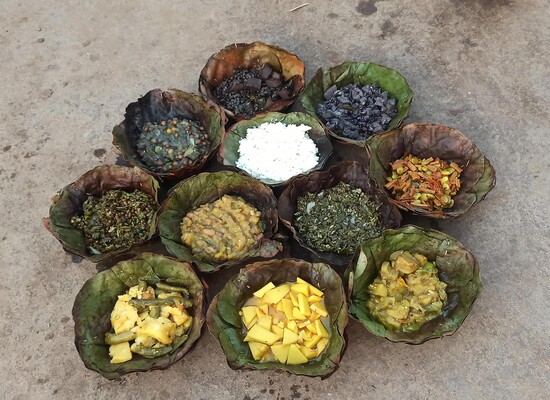
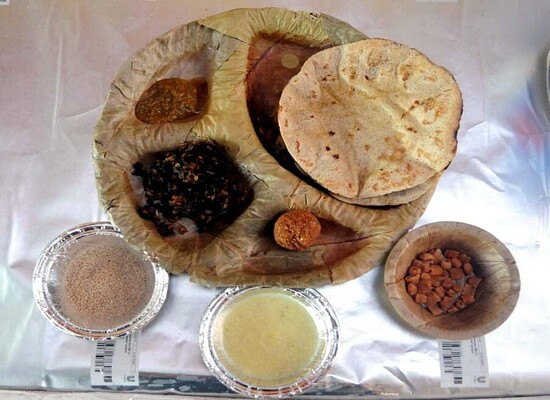
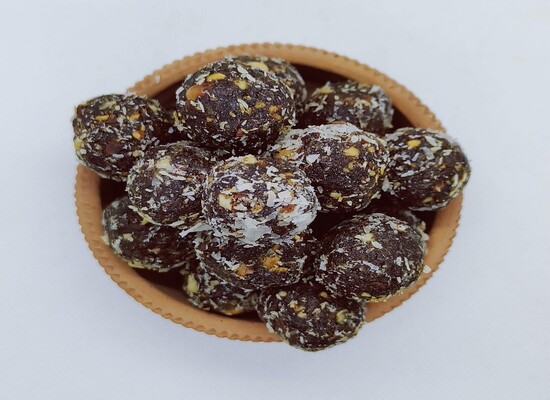
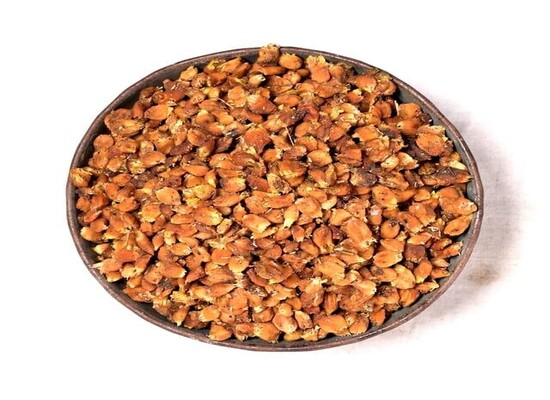
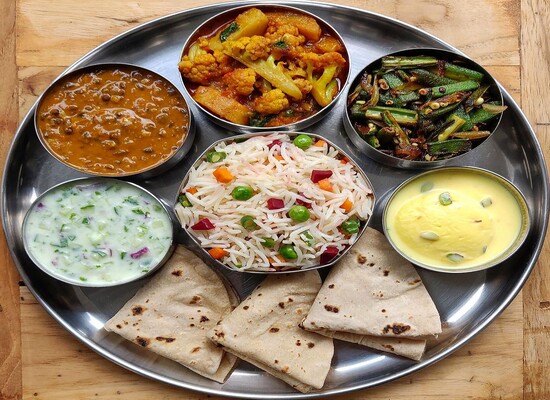
The everyday food in Korba is simple yet satisfying. The staple diet mainly consists of rice, which is abundantly grown in the region, paired with dal (lentils), seasonal vegetables, and pickles.
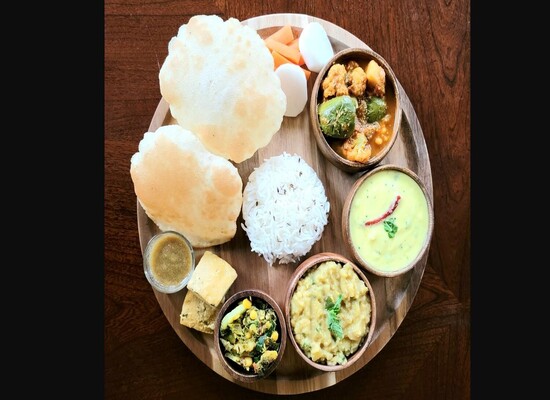
A typical meal includes Dal-Bhat, a comforting combination of steamed rice and lentil curry. It is often accompanied by green leafy vegetables and chutneys made from coriander, tomato, or local herbs.
Seasonal vegetables play a major role, and meals are usually prepared fresh with minimal spices, focusing on natural flavors. This simplicity makes the cuisine both healthy and easy to digest.
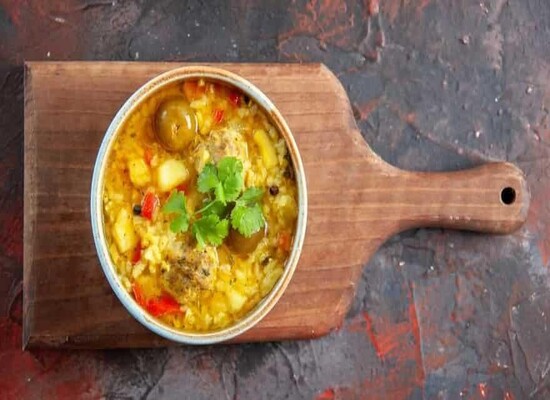
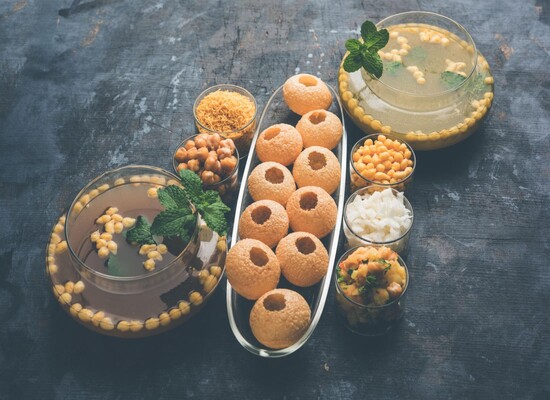
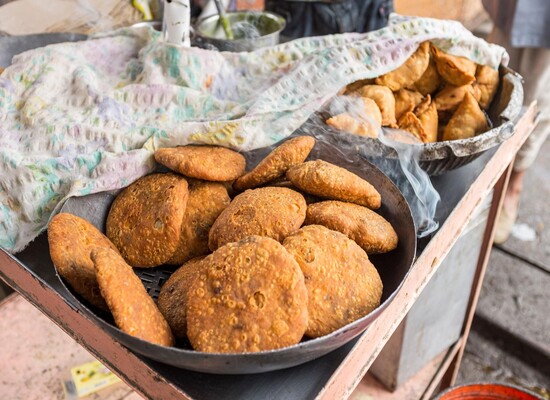
Like many growing towns, Korba also has a vibrant street food culture. Popular snacks such as Pani Puri, Samosa, Kachori, and Chaat are widely enjoyed in local markets and evening food stalls.
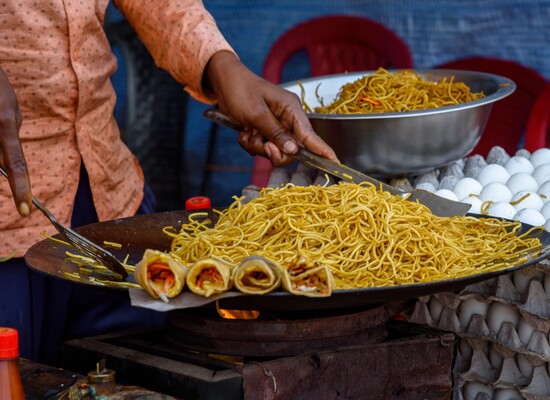
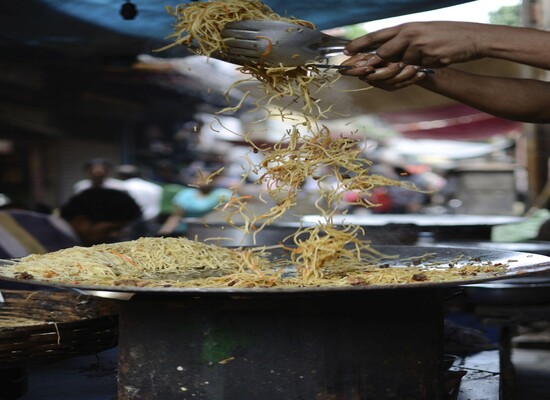
In addition to traditional snacks, modern fast foods like Chowmein, Burgers, and Rolls have become favorites among the younger crowd. Small eateries and roadside vendors offer a mix of spicy, tangy, and crispy delights that attract locals and visitors alike.
Street food in Korba is not just about taste—it’s also about the lively atmosphere, where people gather to enjoy food and socialize.
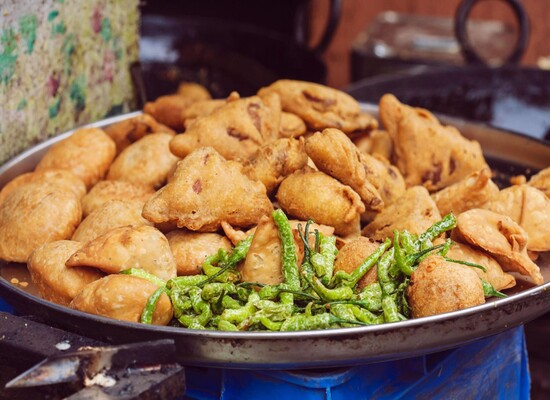
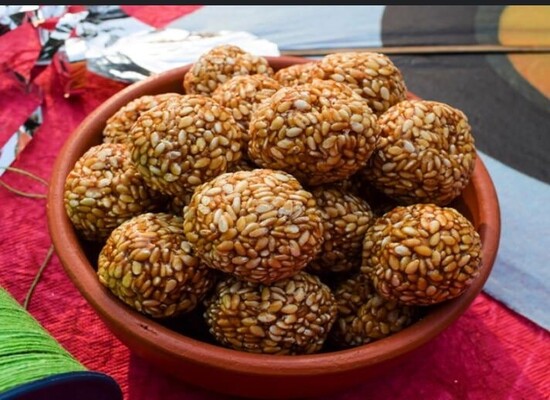
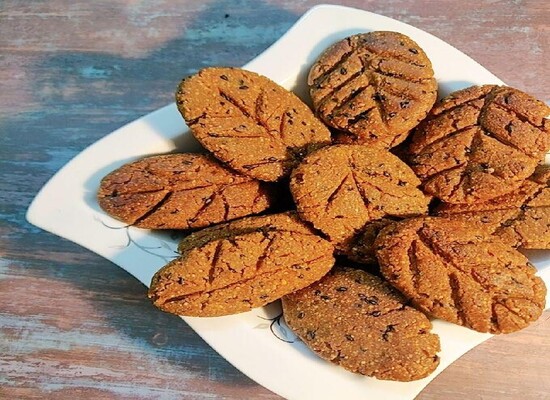
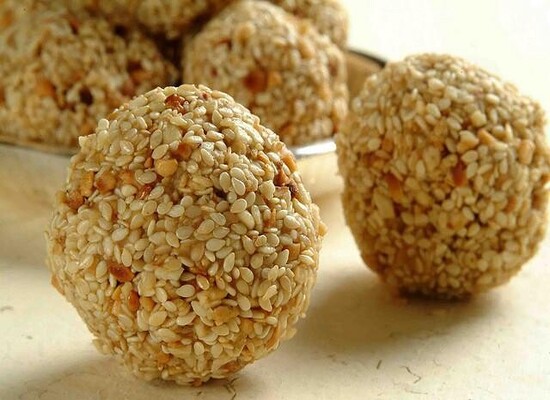
Korba’s sweet dishes are closely tied to festivals and traditions. Tilgur (sesame laddoos) and Khurma are popular during celebrations, offering a rich and satisfying taste.
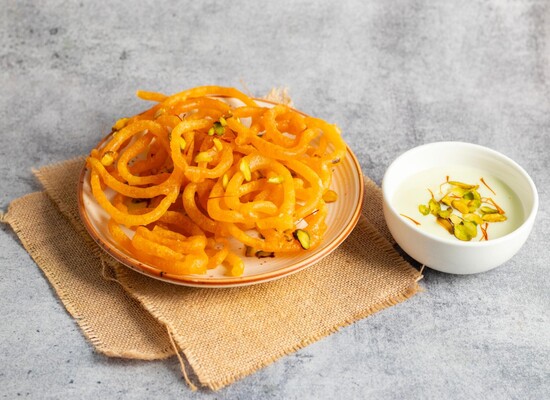
Classic Indian sweets like Jalebi, Barfi, and Rasgulla are also widely available in local sweet shops. During festivals, homes are filled with the aroma of freshly prepared sweets, reflecting the warmth and hospitality of the region.